
- Quality guaranteed | Fast delivery | Free design
- support@dongphucnacat.com
- +84 77 909 1176
Uniform Fabric Handbook: How to Choose the Right Fabric the First Time with Nacat Uniforms
When ordering custom uniforms, 80% of customers focus only on the design and logo and forget one critical factor: THE FABRIC. Fabric is not just a raw material, it is the “soul” of the shirt. No matter how beautiful the design, if it is sewn on a fabric that is hot, prone to pilling or fades quickly, it is all for nothing.
At Nacat Uniforms, with experience supplying uniforms to thousands of businesses in Bien Hoa, Dong Nai, we know that: “Choosing the right fabric saves 50% of the cost and elevates 100% of your brand”. The in-depth guide below will help you become a fabric expert and understand the pros and cons of today’s most popular materials.
The Best Uniform Fabrics Compared | Nacat
Before looking into each fabric, you need to define your needs based on 3 criteria:
Work environment:
Budget:
Desired durability: Do you want to wear this shirt for 3 months (an event) or 2 years (an official uniform)?
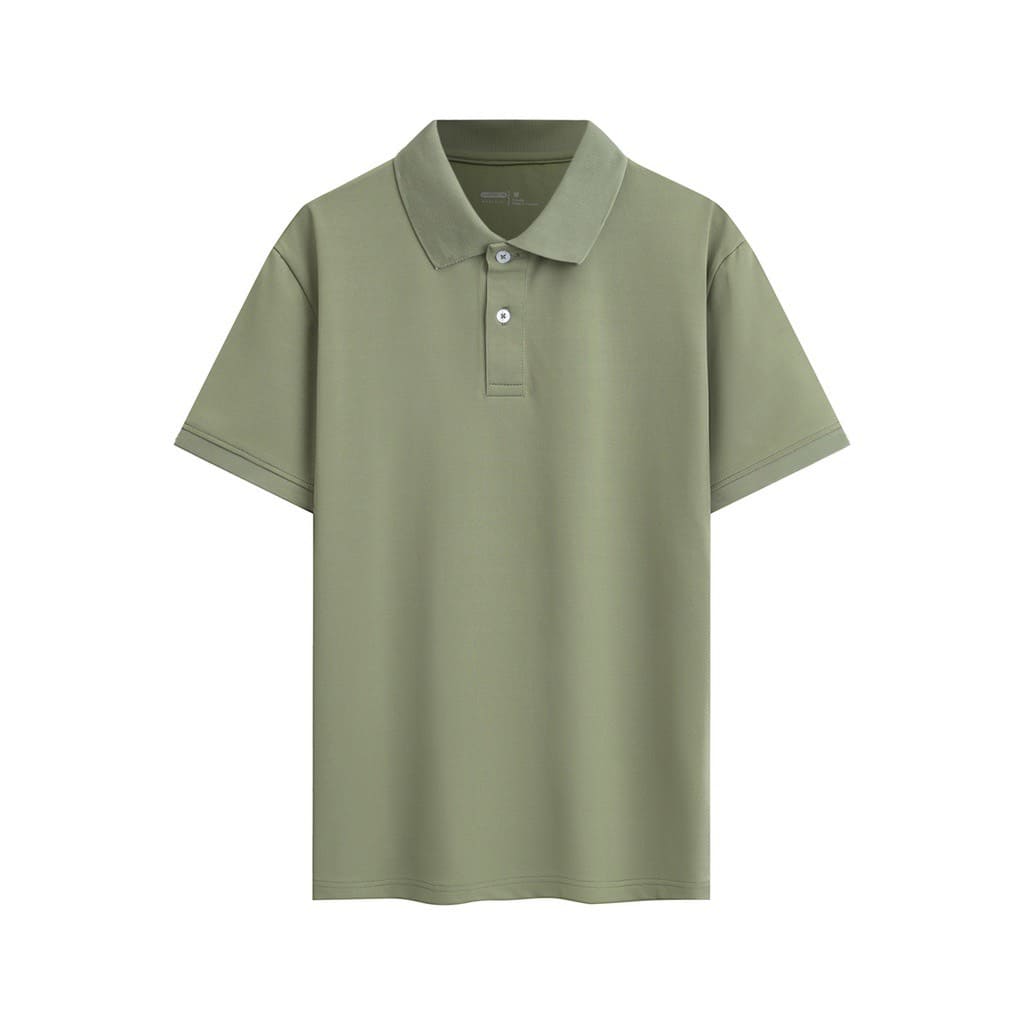
Poly Pique Uniform Fabric: Wrinkle-Free and Extra Durable | Nacat
This is the most popular fabric group. At Nacat, we divide knit fabrics into 2 main groups based on the weave:
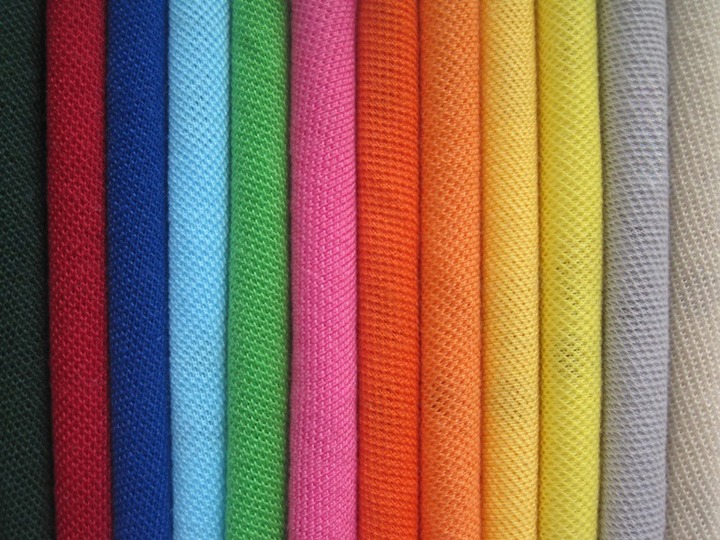
Pique fabric has a large diamond-shaped or mesh-like weave that gives the fabric body and thickness. It is the number one choice for sewing collared polo shirts because it holds its shape beautifully.
Stylish Premium Polo Shirt Uniform Collection, Factory Prices
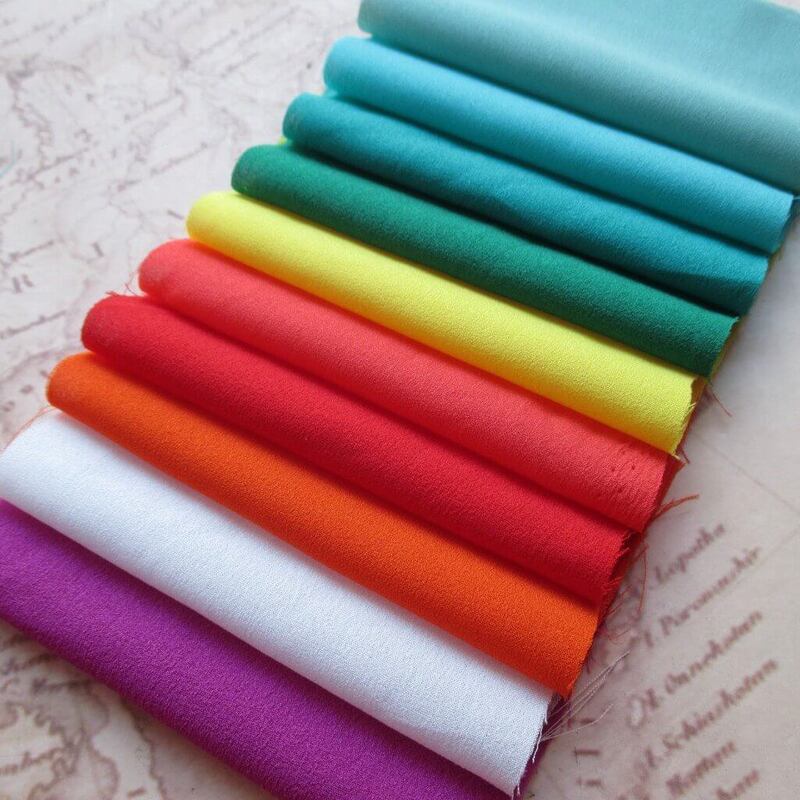
Single jersey has a smooth surface and a tight weave, and is thinner and lighter than pique fabric.
Coolmax Uniform Fabric: Ultra-Cool, Sweat-Wicking, Odor-Resistant | Nacat
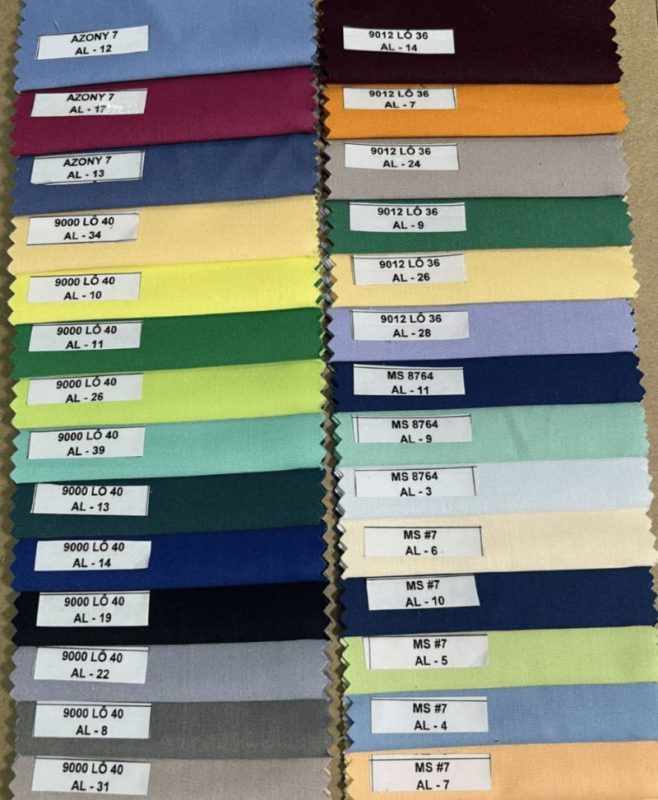
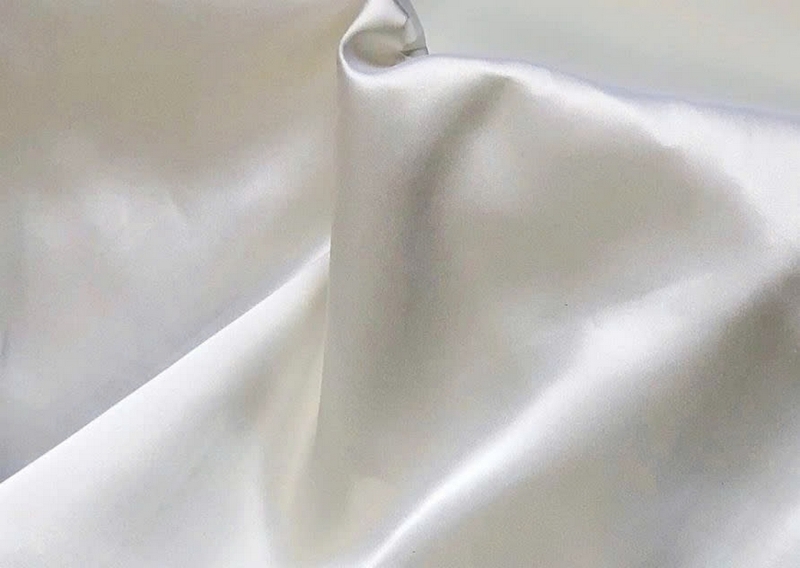
Dress shirts demand a polished, wrinkle-free look. Here are the dress shirt fabrics that are truly “worth every penny” at Nacat:
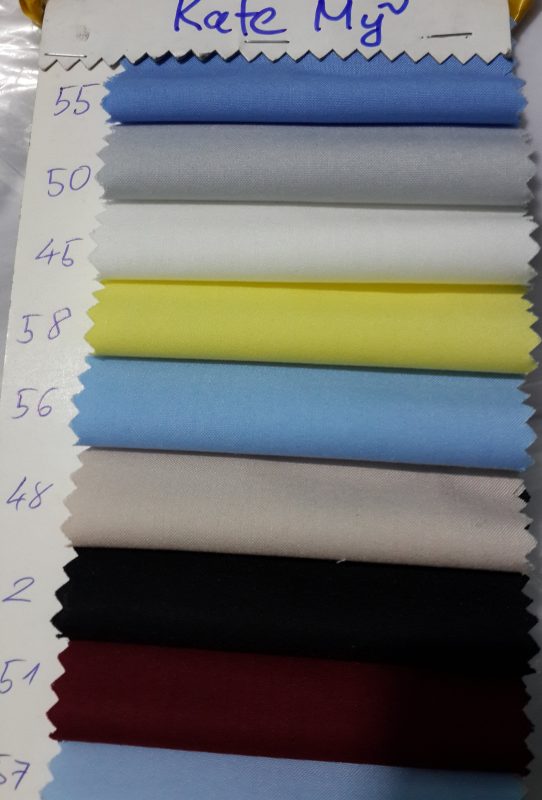
100% Cotton Uniform Fabric: Premium, Cool, Highly Absorbent | Nacat
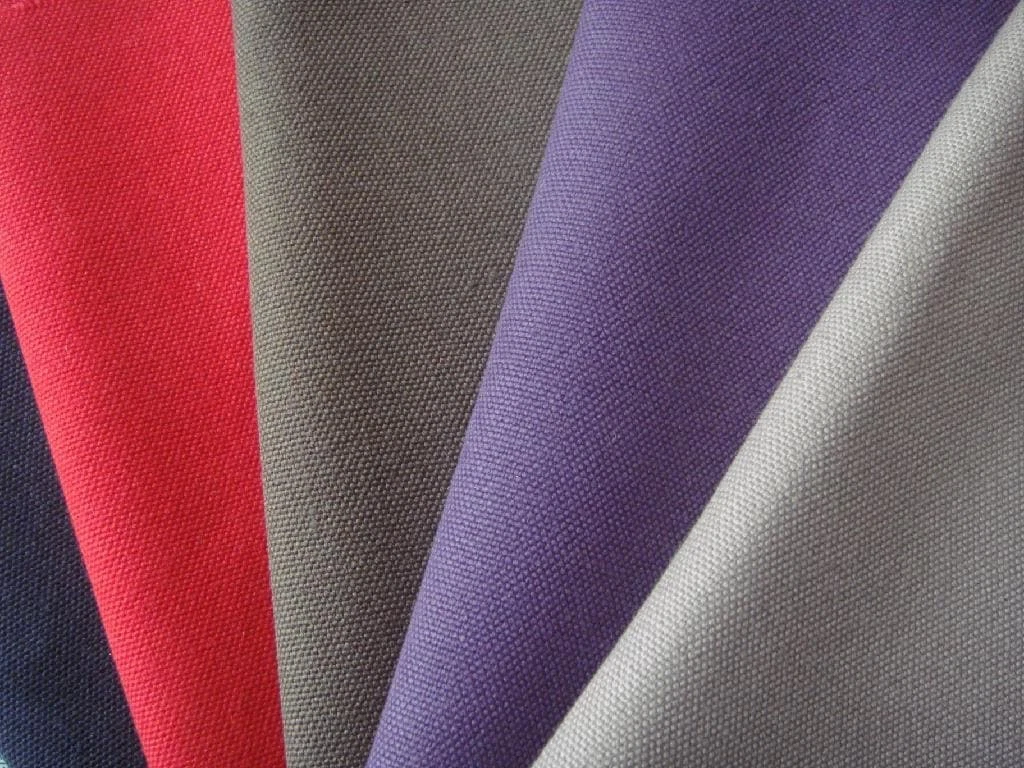
The fabric market is chaotic, and fabric switching (a classic bait-and-switch) happens all the time. At Nacat Uniforms, we commit to:
Clear Origin: Fabrics are sourced directly from reputable textile mills in Vietnam and imported (Thailand, Korea), with certificates of origin.
Thorough Fabric Treatment: Before cutting and sewing, all fabric at Nacat goes through a treatment process:
Material Warranty: If a fabric turns out not to match the commitment in the contract (for example, a 65/35 commitment but PE fabric is used), we compensate 200% of the order value.
Lacoste (Pique) Fabric for Premium Uniforms, Factory Prices | Nacat
Cotton and PE (polyester) are easy to tell apart by eye through their sheen, feel and a water test: cotton is naturally matte and soft and absorbs water quickly; PE is glossy and dry-feeling, and water beads up on it.
Visual identifying features
Cotton has a matte surface with slight fuzz from natural cotton fibers and a warm, muted color up close. PE has an artificial bright sheen, even smooth fibers like plastic, and vivid colors that don’t fade in the sun.
Quick check comparison table
| Criteria | Cotton 100% | PE/Polyester |
| By eye | Matte, slightly fuzzy, muted color | Glossy, even fibers, bright color |
| By touch | Cool, soft, wrinkles easily | Slick, stiff, hard to wrinkle |
| Water test | Soaks in and spreads right away | Water beads up |
| Stretch | Stretches well | Poor elasticity |
Nacat quick test on 50 black shirts
Rub lightly → cotton visibly wrinkles, PE almost keeps its shape. Drop 5 drops of water → cotton is evenly wet within 3s, PE beads up for >10s. Burn a small thread (safely): cotton burns with a paper-like smell, PE melts like plastic.
Recommendation: For ready-made black cotton team-building polos, check absorbency and hand-wrinkle behavior before DTF printing, to avoid low-breathability PE that causes itching and sweat after a beach trip.
2-way stretch fabric only stretches in one direction (usually crosswise), while 4-way stretch fabric stretches freely crosswise, lengthwise and diagonally, giving outstanding comfort for team-building activities.
Technical characteristics
2-way fabric uses cotton + polyester yarns lengthwise, with 20-30% crosswise stretch, suitable for basic polo shirts. 4-way fabric adds spandex (5-10%) for 50-100% stretch in every direction, a soft, flowing drape that never feels rough.
Application comparison
| Criteria | 2-way | 4-way |
| Stretch | Crosswise only | Crosswise + lengthwise + diagonal |
| Feel | Slightly stiff, holds its shape | Soft, comfortable |
| Best for | Logo chest polo | Beach sportswear |
| Price | 20-30% cheaper | Premium |
| Durability | Holds its shape well | Declines after 50 washes |
Nacat quick check
Pull the fabric lengthwise → 2-way doesn’t stretch, 4-way stretches >20%. By touch: 4-way is smooth with a flowing drape, 2-way is coarse and stiff. For 50 ready-made black polos, choose 4-way if your team-building event involves heavy activity, to avoid seams splitting after a beach trip or sweating.
Lacoste (Pique) Fabric for Premium Uniforms, Factory Prices | Nacat
GSM (Grams per Square Meter) is the unit that measures fabric weight per 1 m², showing the thickness and quality of garment fabric.
Practical meaning
A higher GSM means a thicker, heavier fabric: 140-160GSM is thin and breathable for summer T-shirts; 200-240GSM is thick and durable for team-building polos. It directly affects wash durability, wearing feel and the CMT (cut-make-trim) cost.
Nacat standard GSM chart for shirts
| Shirt type | Recommended GSM | Characteristics |
| Summer T-shirt | 140-180 | Breathable, light |
| Polo cotton | 200-240 | Thick, holds its shape |
| Sports shirt | 220-260 | 4-way stretch |
| Sweater | 280+ | Warm, heavy |
Quick check when ordering contract manufacturing
By touch: 180GSM feels paper-thin, 240GSM feels thick and full. Ask the factory to measure GSM with an electronic scale before cutting 50 black shirts (to avoid 160GSM PE fabric being passed off at cotton prices). For team-building polos, a standard 220-240GSM Kate Ford fabric lasts longest through beach trips and sweat.
100% cotton shirts often pill because natural cotton fibers are short (1-3cm) and easily work loose under friction from washing and wear, especially in loosely woven or poor-quality fabric.
Main causes
Short cotton fibers break under rubbing (harsh washing machines, tumble drying, backpacks rubbing the hip) and form small lint balls on the surface. Loose, low-quality stretch knit fabric pills up to 3x faster than tightly woven denim, commonly after 10-20 washes for team-building shirts used at the beach or in the sweat.
Pilling level comparison by GSM
| Fabric GSM | Pilling level | Recommendation |
| <180 | Very high | Avoid thin polos |
| 200-240 | Medium | Standard Kate Ford |
| 260+ | Low | Thickest and most durable |
Nacat solution for 50 black shirts
Recommendation: Test for pilling by lightly scraping with a razor → cotton that pills a lot is low quality. Prioritize Oeko-Tex “anti-pilling” fabric for team building to avoid pilling after outdoor events.
TC (Tici) Uniform Fabric: Durable, Good-Looking, Great Value, Holds Its Shape | Nacat
The best fabric for printing is 100% polyester (or 65/35 poly-cotton blend) because its smooth surface lets ink absorb evenly, with crisp gradients and long-lasting color.
Technical reasons
Polyester is fully compatible with heat transfer/sublimation technology: sublimation ink bonds chemically into the fabric fibers at 200°C, creating HD color that doesn’t fade after 50 washes. 100% cotton only absorbs ink at the surface, so it easily pills or peels, and looks good only with DTF/computer printing.
Fabric ranking by print quality
| Fabric | Print quality | Best technology |
| Polyester 100% | Sharpest HD | Heat transfer |
| Cotton/Poly 65/35 | Good (gradients OK) | DTF/PET |
| Cotton 100% | Average (blurry gradients) | Computer printing |
| Kate/Pique | Poor (rough surface) | Screen-printed logo |
Nacat recommendation for 50 black shirts
For ready-made black cotton shirts, DTF still gives a nice image, about 90% as good as on poly, but choose 4-way stretch poly 220GSM if you are sewing new shirts. Test-print a beach-scene gradient on both fabrics before the full order to compare real-world sharpness.
“Seeing is better than hearing, and touching is better than seeing.” We encourage you to visit the office or factory of Nacat Uniforms in person to feel the softness and thickness of each fabric for yourself.
If you are far away, we are happy to send a free fabric sample kit to your door so you can review it before ordering.
Don’t hesitate, contact us now:
📍 Address: Alley 33/86, Long Binh Ward, Dong Nai
📧 Email: support@dongphucnacat.com
☎️ Consultation hotline: +84 77 909 1176
NACAT UNIFORMS – FABRIC THAT CREATES CLASS